table-scale fieldwork
Labuso notices what a room usually edits out.
This is a studio notebook for small, repeatable observations: how daylight moves through a glass lip, how a scent changes after an hour, how paper buckles when humidity rises, and how a surface keeps evidence of touch. Labuso treats these quiet details as useful signals rather than decoration.
light
angle
scent
time
surface
trace
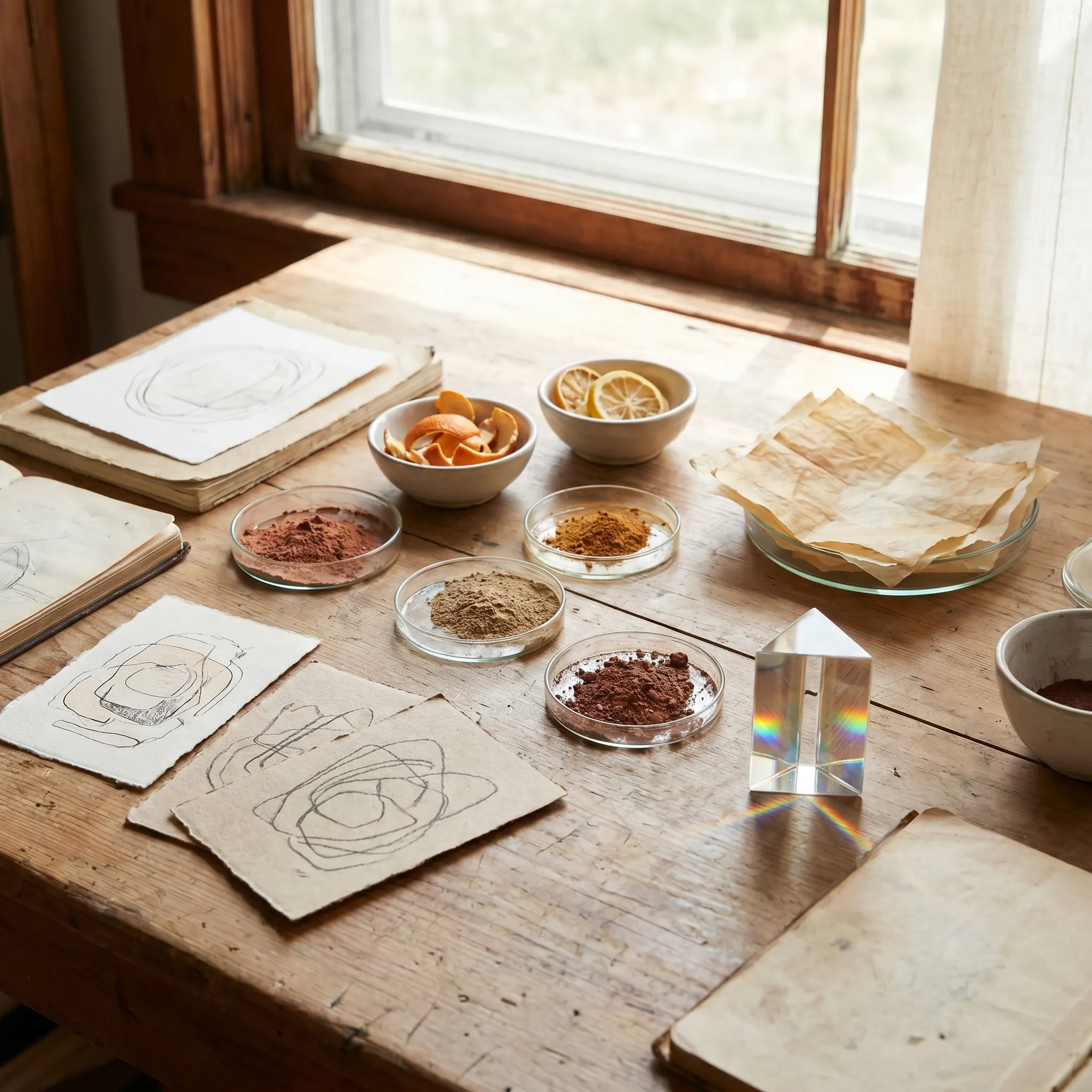
why it exists
A home can be a careful instrument.
Labuso is built around the belief that useful observation does not always require a formal lab, a shopping list of specialized tools, or dramatic conclusions. A clean window, a marked card, a kitchen scale, a jar, a timer, and a skeptical sentence can reveal how materials behave in real rooms. The site keeps those records readable for people who design interiors, cook, repair objects, archive domestic materials, or simply want to see more precisely.
Each note starts with a physical condition: temperature, direction of light, contact with water, pressure, scent, folding, abrasion, or rest. From there, Labuso describes what changed, what stayed stubbornly the same, and what should be tested again. The language stays practical because the aim is not to mystify everyday matter. The aim is to make small changes visible enough that they can guide care, arrangement, storage, and choice.
today's bench
Three records, no spectacle.
07:10
A sheet of tracing paper warmed near the east window before it curled.
12:45
Citrus peel held a cleaner edge in unglazed clay than in a sealed jar.
18:20
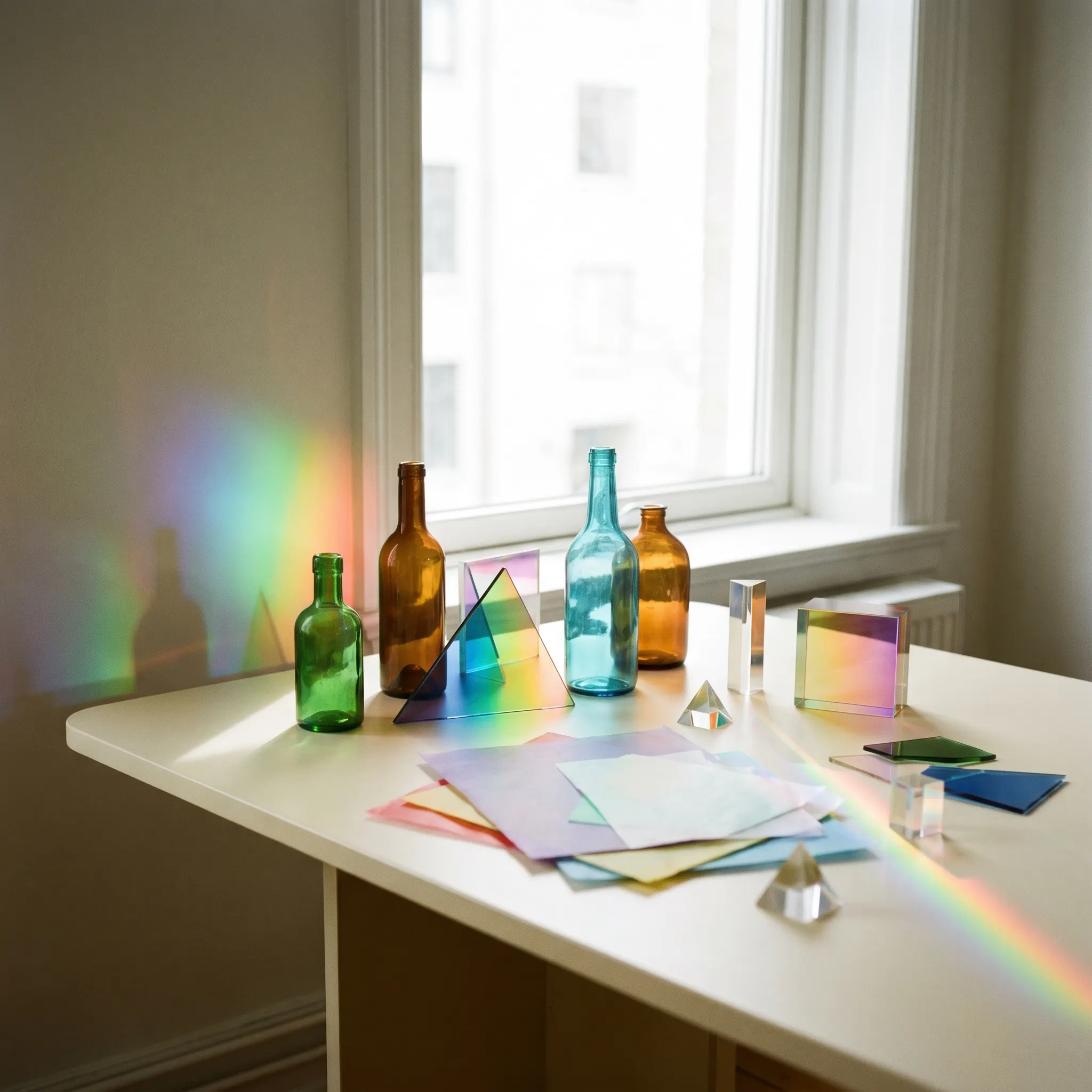
Green glass turned the linen shadow blue, then nearly black at the fold.
method
The studio uses plain constraints.
A Labuso record avoids the easy language of mood until the physical scene has been described. First comes the setup, then the change, then the possible use. A linen sample is not called calm until its weave, crease, reflection, and edge behavior have been noticed. A scent is not called bright until the first sharpness, middle warmth, and stale finish have been separated in time.