observation notes

The room is the measuring device.

Labuso observations are designed for conditions that change while nobody is trying to perform a grand experiment. Morning light reaches the shelf and disappears. A peel dries on a dish. Paper softens near steam. A cup ring shows where a finish is less sealed than it looked. These are small events, but they are valuable when recorded with enough patience to separate fact from preference.

record 01

Light is written twice

One note records the physical setup: window direction, distance, surface, and obstruction. A second note records what the eye tries to simplify: glare, colored edge, warmth, and the moment when a shadow stops looking soft.

record 02

Scent needs a clock

Labuso separates first contact from the settled room. Citrus, wax, paper, clay, wool, and spice can all change character within an hour. A useful note describes the opening, the middle, the residue, and what the container contributed.

record 03

A surface remembers pressure

Marks are treated as records, not flaws. Folding, scraping, damp wiping, stacking, and touch can reveal whether a material belongs near food, books, plants, tools, or a quiet corner that will be handled gently.

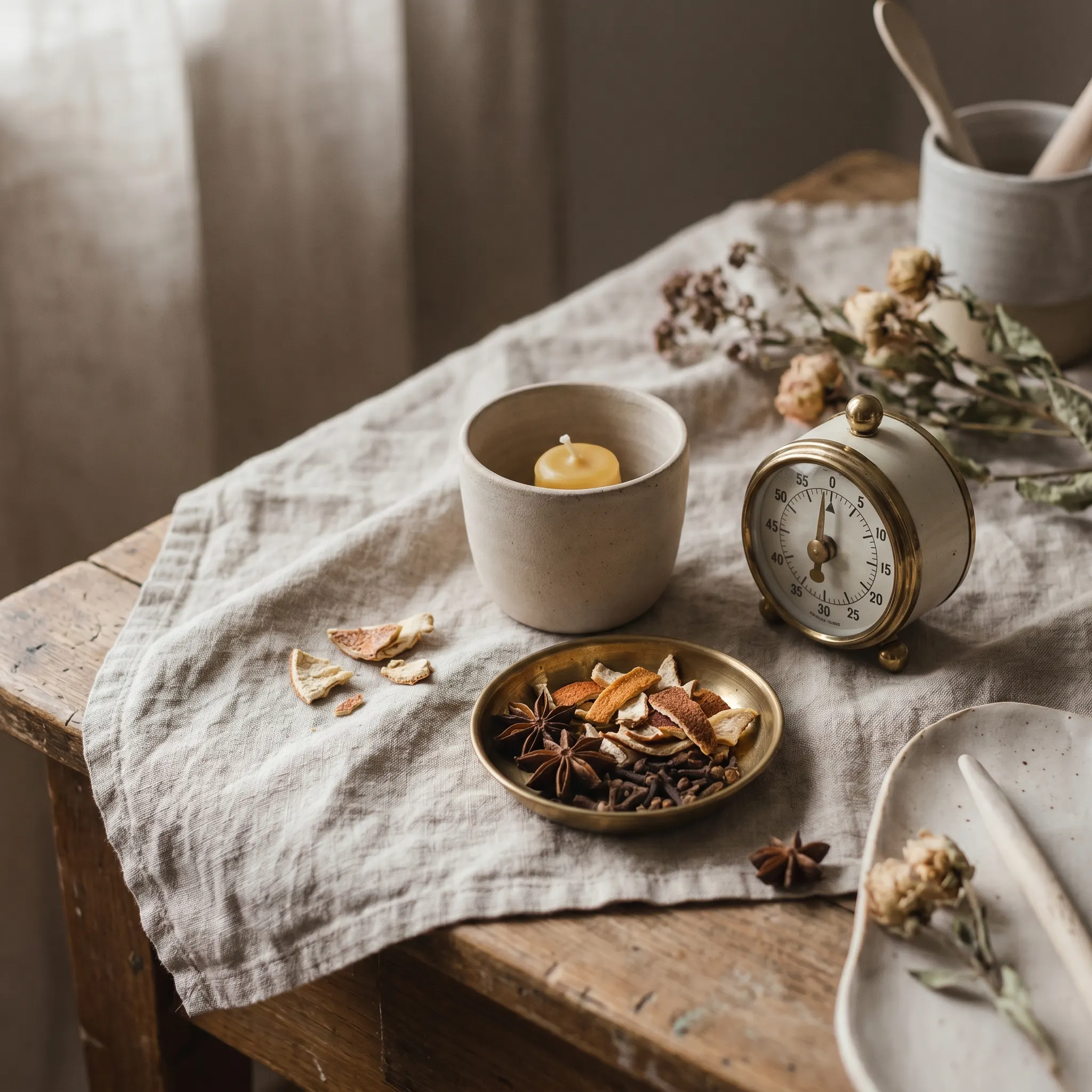
A quiet scent timing setup with citrus peel, ceramic cup, timer, and written cards
Scent notes stay useful when they name the vessel, the hour, and the fading edge.

writing standard

A Labuso note should be repeatable by a stranger.

The strongest observation is not the most poetic one. It is the one another person can repeat without guessing what was meant. Labuso notes therefore favor nouns over adjectives, relative placement over vague atmosphere, and time marks over memory. If a glass bowl makes a green line on a white card at 3:40 in the afternoon, the note says that before saying the room felt cool.

This standard keeps the site useful across disciplines. A designer can borrow the record for material selection. A cook can notice how a container alters aroma. A repair-minded reader can decide whether a mark is active damage or settled history. The observation remains modest, but it becomes portable.